What digital eye strain actually is
"Digital eye strain" (also called computer vision syndrome) is the cluster of symptoms that builds up during long, close-focus screen sessions. Two things drive it. First, we blink far less when we stare at screens — often less than half our normal rate — so the eye's tear film dries out. Second, focusing at a fixed close distance for hours keeps the eye's focusing muscles contracted, which fatigues them. Glare and high-contrast bright displays add to the load.
It's uncomfortable, but it's usually not damaging on its own. The goal is to reduce the load on your eyes and support the systems that keep vision comfortable.
Common signs
- Tired, heavy or sore eyes by mid-afternoon
- Dryness, grittiness, or watering
- Blurred vision or trouble refocusing from screen to distance
- Headaches around the brow or temples
- Sensitivity to bright light and worse glare at night
7 habits that help today
- Follow the 20-20-20 rule. Every 20 minutes, look at something 20 feet away for 20 seconds. It relaxes the focusing muscle.
- Blink on purpose. Consciously blink fully a few times each break to refresh the tear film.
- Use the "arm's length" rule. Keep your screen about an arm's length away, with the top of the monitor at or just below eye level.
- Cut the glare. Position screens perpendicular to windows and lower harsh overhead lighting.
- Match brightness to the room. Your screen shouldn't look like a lamp in a dim room, or be dull in a bright one.
- Bump up text size. Squinting at tiny fonts is needless strain — enlarge it.
- Keep the air moist and hydrate. Dry, air-conditioned rooms speed up tear evaporation.
Your screen setup in 60 seconds
Distance: arm's length. Height: top of screen at eye level so your gaze tilts slightly down (this exposes less eye surface and reduces dryness). Lighting: soft and indirect, no glare bouncing off the display. Breaks: a real one every 20 minutes, plus a longer screen-free stretch each hour. Most people feel a difference from setup changes within a few days.
The nutrition angle: what your eyes are made of
Habits reduce the load; nutrition supports the hardware. The center of your retina is protected by macular pigment built from two carotenoids — lutein and zeaxanthin — which filter high-energy blue light and support contrast and clarity. Your body can't make them, so they have to come from diet (leafy greens, egg yolks) or a supplement. Astaxanthin, a potent antioxidant, is studied for visual endurance and eye fatigue, while zinc and vitamin A support low-light vision and bilberry is traditionally tied to ocular circulation.
This is exactly the gap a focused eye-nutrition supplement is designed to fill. Visivra brings these six together in one daily capsule — lutein, zeaxanthin, bilberry, astaxanthin, zinc and vitamin A — which is why many screen-heavy customers pair it with the habits above. It's not a replacement for good screen hygiene or eye care, but it tops up the nutrients screens quietly deplete.
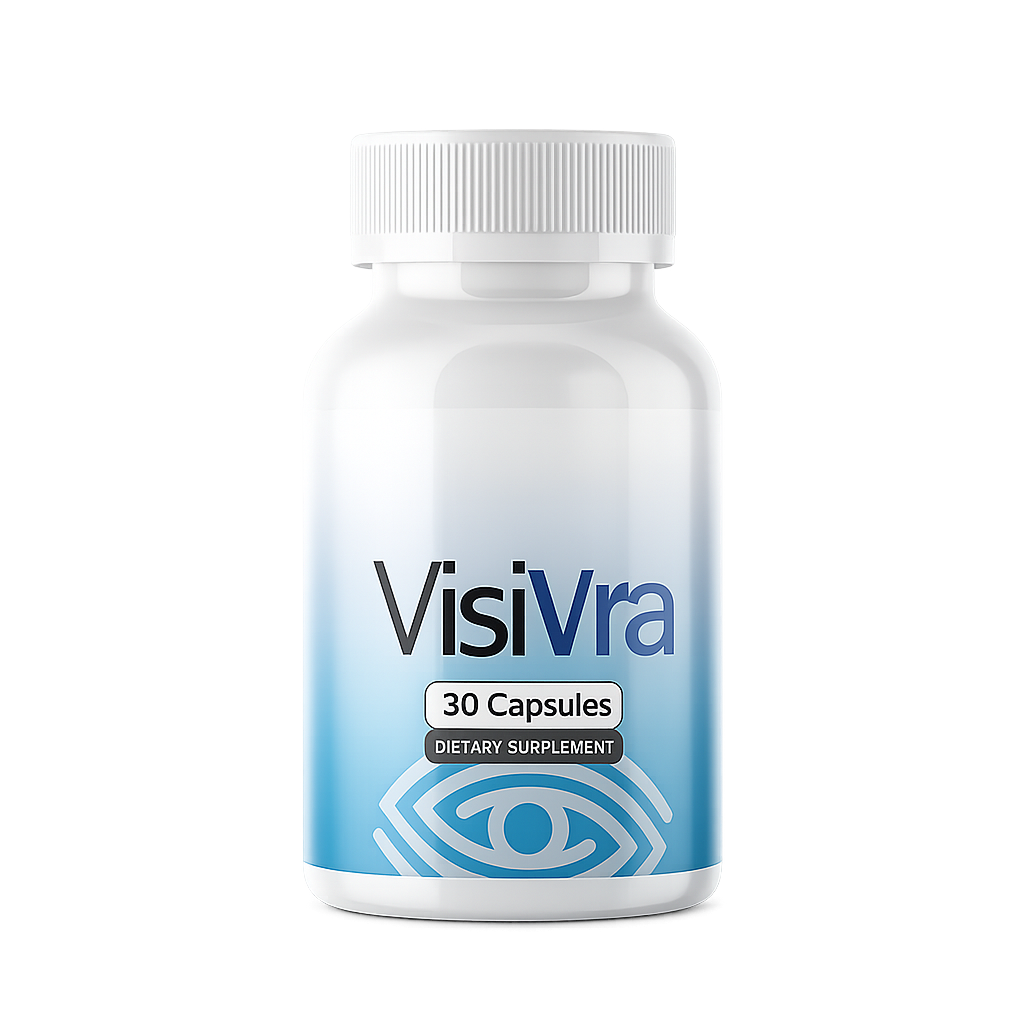
Pair good habits with the right nutrients
Visivra is a once-daily blend of the carotenoids and antioxidants screen-heavy eyes use most. Made in the USA, 60-day money-back guarantee.
Get Visivra →Quick questions
Do blue-light glasses fix eye strain? They may help comfort for some people, but most research points to dryness and focusing fatigue — not blue light alone — as the main culprits. Habits and breaks matter more.
Can supplements cure eye strain? No supplement "cures" eye strain. Eye-nutrition ingredients like lutein and zeaxanthin support the eye's own clarity and contrast systems; they work best alongside good screen habits.
When should I see a doctor? If you have persistent pain, sudden vision changes, double vision, or headaches that don't ease with rest, see an eye-care professional.